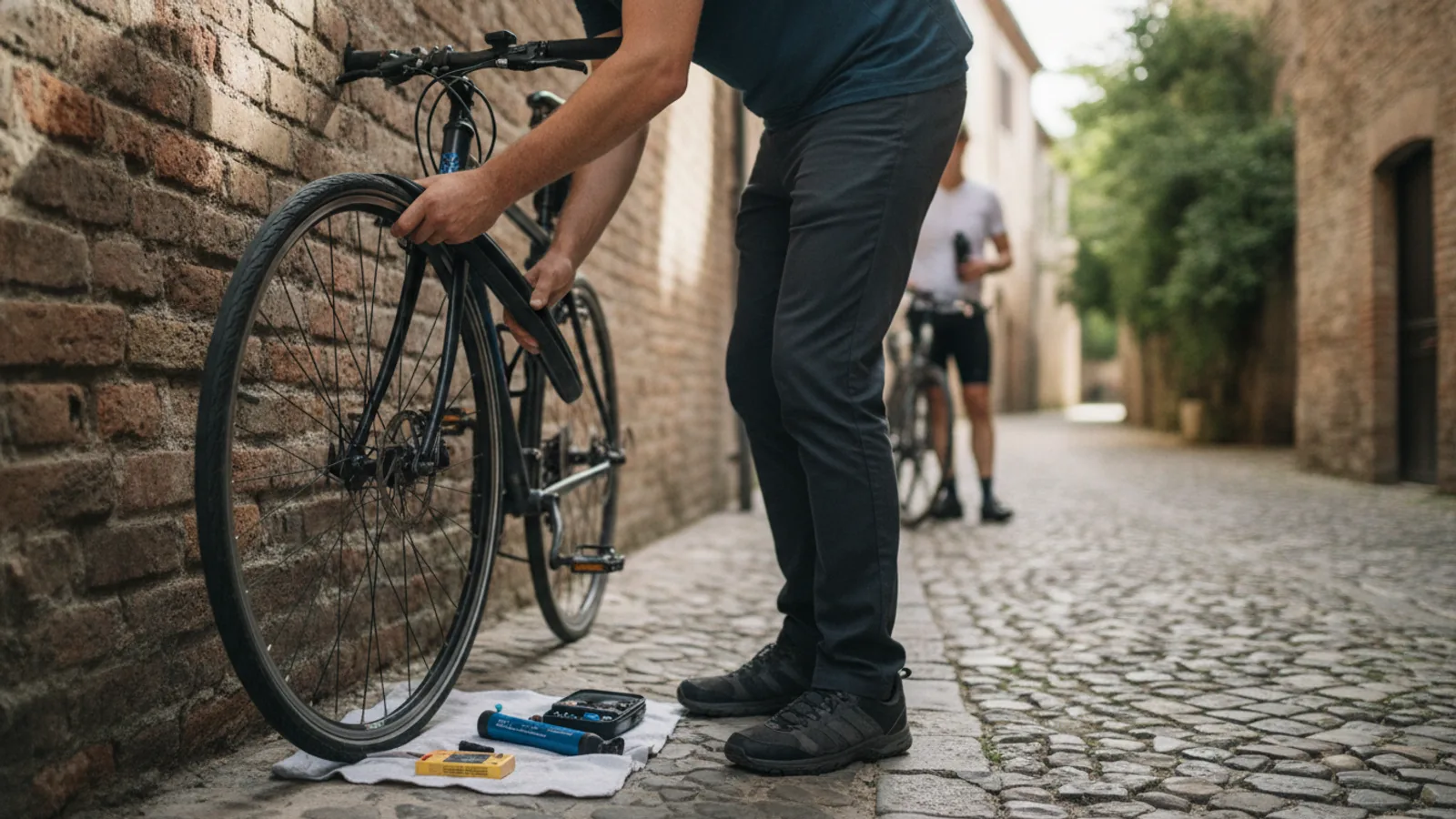
How To Measure A Bike Frame
A practical step-by-step guide to how to measure a bike frame, including preparation, instructions, common issues, tips, and next steps.
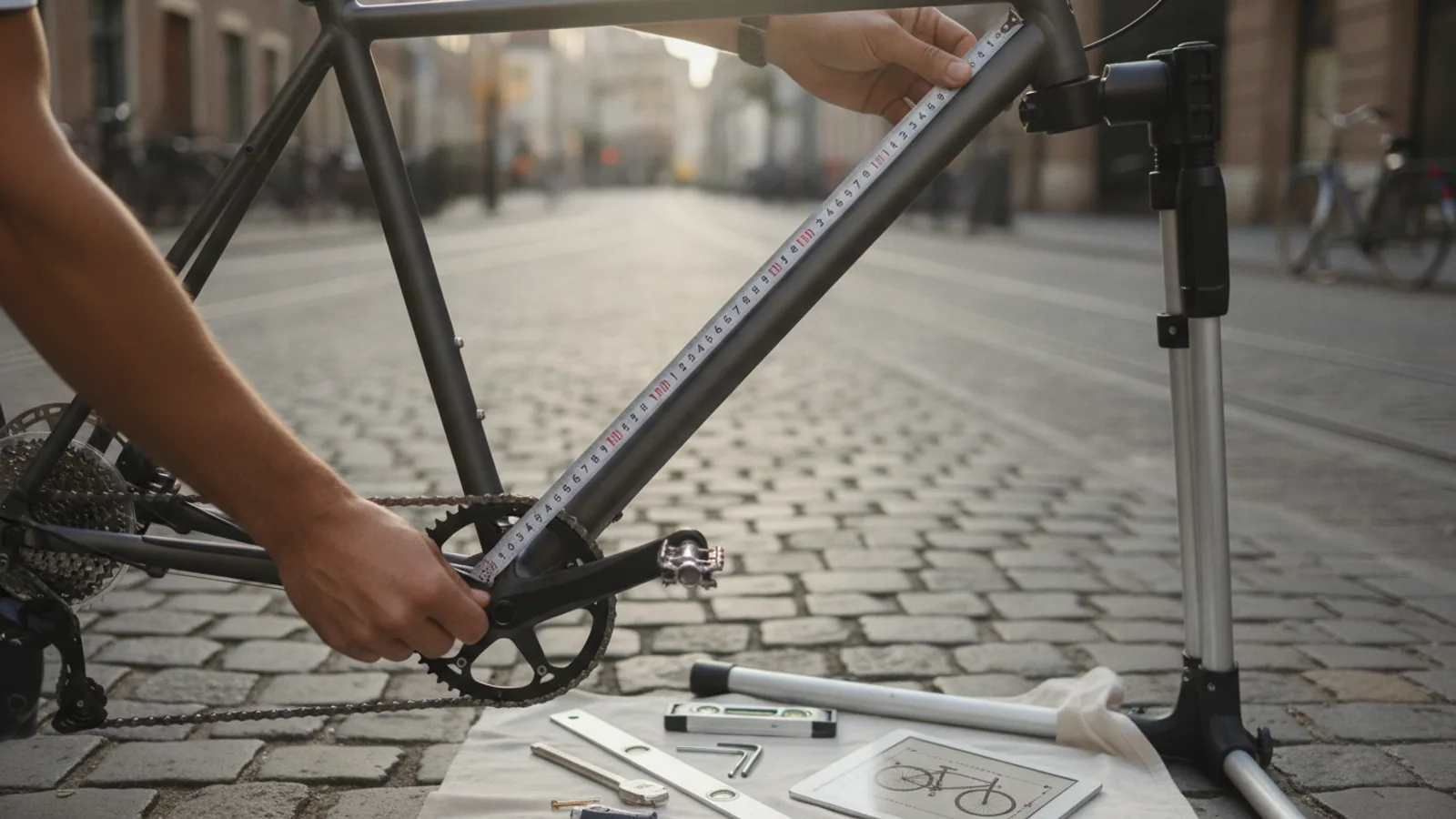
How To Measure A Bike Frame
This guide explains how to approach how to measure a bike frame, including the preparation, practical steps, common mistakes, and final checks that help you finish with confidence.
Before You Start
Step-by-Step Instructions
Quick Reference
Common Problems When You Measure A Bike Frame
Advanced Tips for How To Measure A Bike Frame
Consider Stack and Reach for Modern Fitting
While traditional measurements like seat tube and top tube are helpful, modern bike fitting often uses "Stack" and "Reach" as more precise indicators of a frame's dimensions relative to the bottom bracket. Stack is the vertical distance from the centre of the bottom bracket to the top centre of the head tube. Reach is the horizontal distance from the centre of the bottom bracket to the top centre of the head tube. These two numbers give a clearer picture of how "tall" and "long" a frame feels, independent of seat tube angle or head tube angle. Many manufacturers now include stack and reach in their geometry charts. If you're comparing modern frames, these are invaluable measurements.
Understand Virtual vs. Actual Measurements
As mentioned, sloping top tubes make "actual" top tube length a poor indicator of fit. The "effective" or "virtual" top tube measurement is a horizontal line from the head tube to the seat tube. Similarly, a bike marketed as a "56cm" might have an actual seat tube of 50cm if it has a very sloping top tube, with the 56cm referring to a virtual seat tube length. Always verify what a manufacturer means by their stated size and prioritize the Effective Top Tube (ETT) and Stack/Reach for fit comparisons, rather than relying solely on a single "size" number.
Utilise Online Geometry Tools and Calculators
Several websites and apps offer bike geometry comparison tools. Once you have your frame measurements, you can input them into these tools to compare your bike's geometry directly with other models you might be considering. Some tools can even overlay frame diagrams, making it easier to visualise differences in fit and handling characteristics. This is particularly useful if you're looking to replicate a fit you love or understand why a certain bike feels the way it does.
Factor in Component Adjustments
Remember that the frame is just one part of the bike's overall fit. Components like stem length, handlebar width, and seat post setback (how far forward or back the saddle sits relative to the seat post) all play a significant role. Even minor changes to these components can drastically alter your riding position. While measuring the frame provides the foundation, don't forget to consider how adjustable components can fine-tune your fit based on your personal preferences and body proportions.
Record and Date Your Measurements
Keep a detailed record of all your frame measurements, along with the date you took them. If you make any modifications to your bike (e.g., change forks, adjust suspension travel on a mountain bike), re-measure and update your records. This habit helps you track how changes affect your bike's geometry and can be invaluable for future maintenance, repairs, or when buying new parts.
How To Measure A Bike Frame FAQ
Q: Why do bike sizes seem inconsistent between brands?
A: Bike sizing can be incredibly inconsistent because manufacturers use different primary measurements (e.g., seat tube C-T, effective top tube, or even letter sizes like S/M/L) and have varying approaches to frame geometry. One brand's "56cm" might fit differently than another's. Always check the specific geometry chart for a bike model, focusing on Effective Top Tube, Stack, and Reach for true comparison, rather than just the stated size number.
Q: Can I measure a bike frame by myself, or do I need help?
A: Yes, you can measure a bike frame by yourself with patience and the right tools. However, for certain measurements like the effective top tube or wheelbase, having a second pair of hands to steady the bike or hold the tape measure can make the process significantly easier and more accurate.
Q: What if my measurements don't match the manufacturer's chart exactly?
A: Small variations are common due to manufacturing tolerances or slight differences in how measurements are taken (e.g., measuring to the very top edge vs. the centre of the top tube). If there's a significant difference (more than a centimetre or two), re-check your measurements carefully, ensuring you're using the correct starting and ending points as defined by the manufacturer's chart. If discrepancies persist, it's worth noting, but slight variations are generally not a cause for concern.
Q: Is frame size the only thing that matters for bike fit?
A: No, while frame size is the foundation, it's not the only factor. Components like stem length, handlebar width, seat post setback, and crank arm length all play a crucial role in achieving an optimal bike fit. A well-chosen frame provides the base, but these adjustable parts allow for fine-tuning to your unique body dimensions and riding style.
Q: Should I measure with or without wheels on the bike?
A: Most core frame measurements (seat tube, effective top tube, head tube) are independent of the wheels, so you can measure with or without them. However, for measurements that involve the ground or axles, such as standover height, chainstay length, and wheelbase, it is absolutely essential to have both wheels on and the tyres properly inflated for accurate results.
Final Checklist for How To Measure A Bike Frame
By diligently following these steps, you will have a comprehensive and accurate understanding of your bike's frame dimensions. This valuable information will empower you to make informed decisions about your bike fit, whether you're adjusting your current ride for optimal comfort or confidently choosing your next two-wheeled companion for the road, train, or trail. Happy riding!